

Selecting a truck and a hitch are two of the most important decisions any professional hauler has to make. This equipment is the foundation of the company and needs to withstand hundreds of thousands of miles of use on the road. It needs to fit together seamlessly, avoiding unnecessary potential points of failure. A key factor in making the right decision about the truck and hitch combination is determining how the hitch will be connected to the truck's frame. As a manufacturer of heavy-duty towing equipment, we are often asked: "What is the best way to attach my hitch to my truck?"
There is no "one-size-fits-all" answer. The right choice depends on your truck type, your profession, and whether you need your truck bed for anything other than hauling a trailer. In this guide, we’ll break down the three primary methods of attachment: Weld-on, Bolt-on, and OEM Integrated systems.
Weld-on Hitches For Nothing But Towing
Weld-on installations are most common among professional haulers, hotshotters, and those operating “cab and chassis” trucks. In these scenarios, the truck is often delivered without a traditional bed, leaving the heavy-duty steel frame rails exposed.
Welding creates a singular, fused bond between the hitch mounting plate and the truck frame. There are no bolts to re-torque or worry about shearing under extreme lateral loads. For unique frame widths or specialized vocational trucks, welding allows for a completely custom placement that bolt-on kits might not support.
Keep in mind, with a welded hitch, once it’s on, it’s on there for good. While it is possible to have the hitch professionally cut away with a torch or grinder, doing so could damage the frame if not done properly.
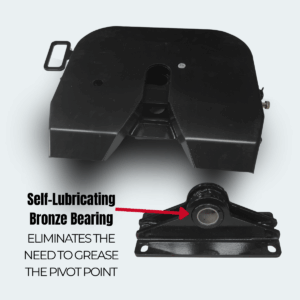
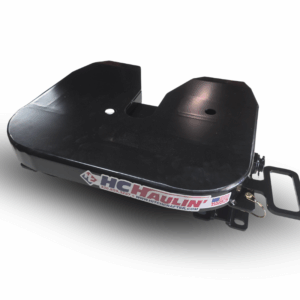
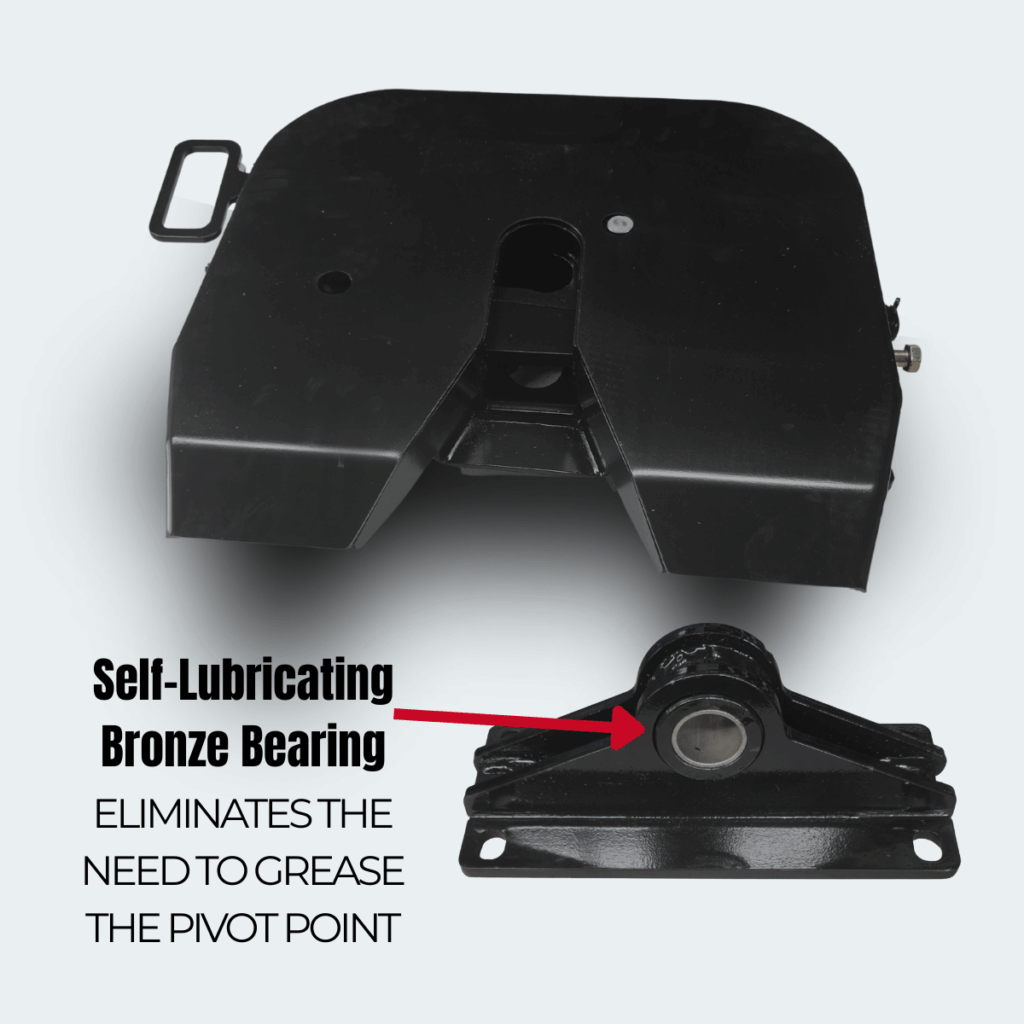
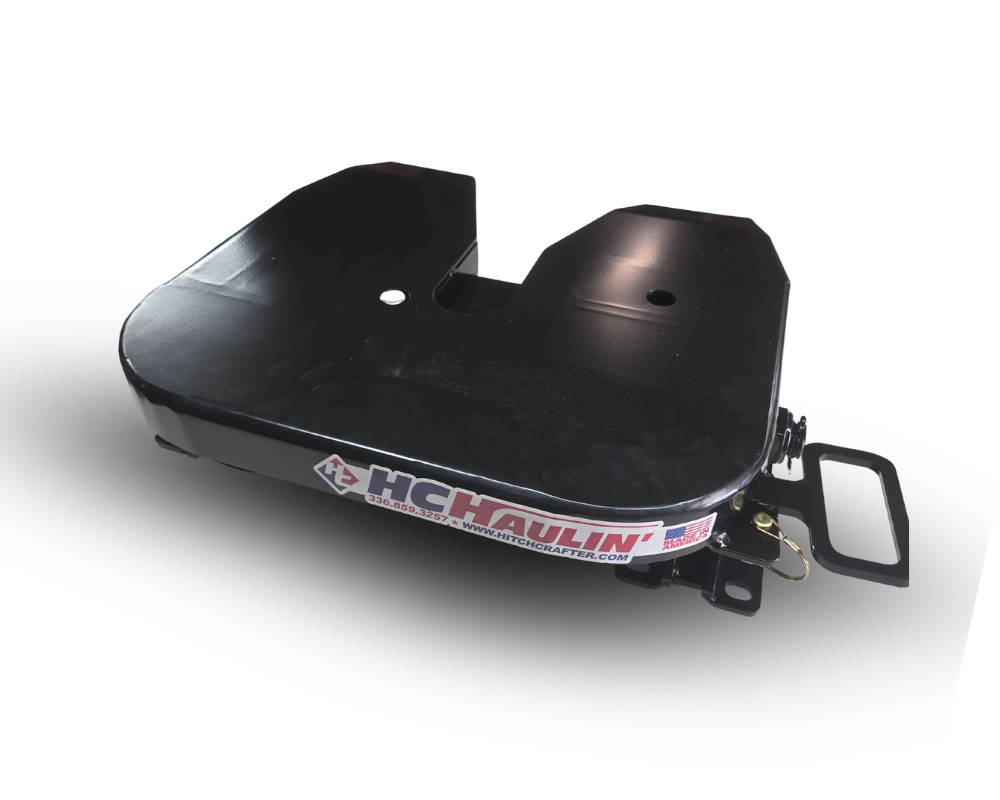
50K Haulin’ Head Unit
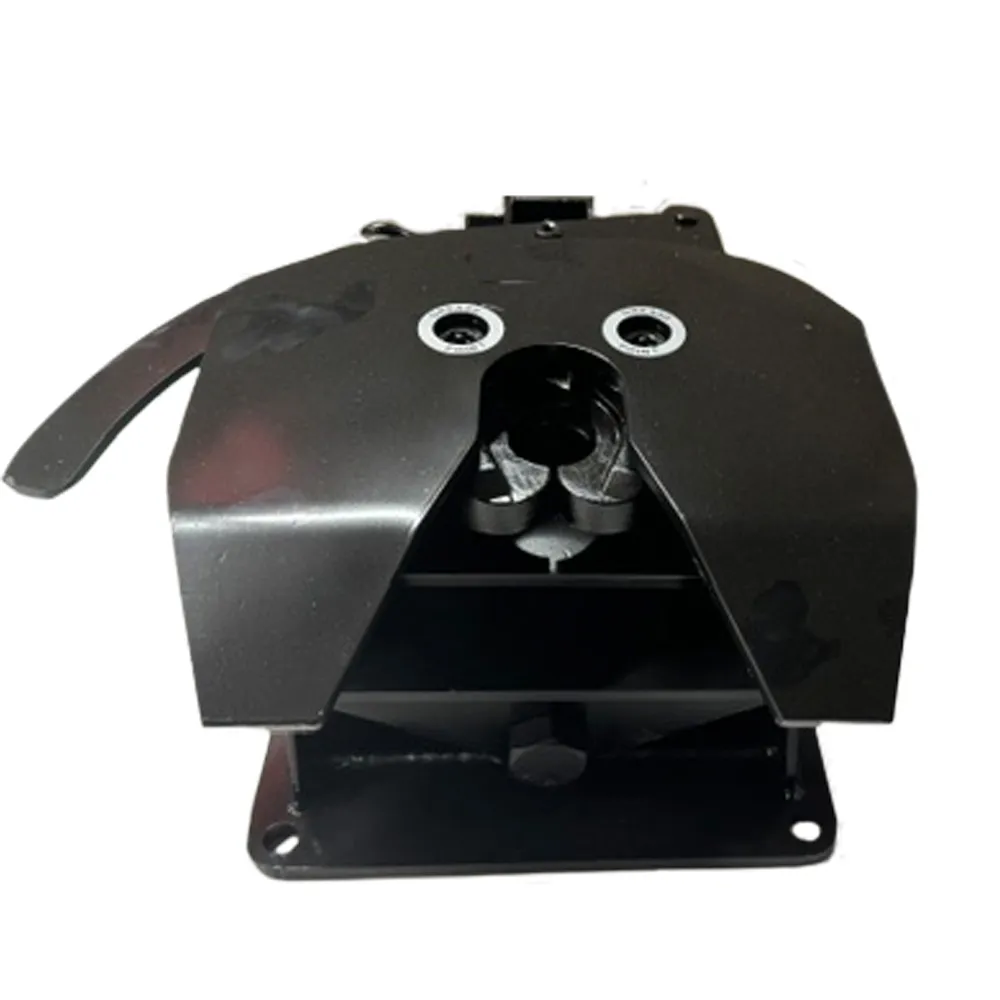
This is the 50k Haulin' low-profile 5th wheel hitch. Capable of handling anything your truck can tow, the newest 5th wheel hitch from HitchCrafter sets itself apart by offering the towing capacity you need with the upgrades you want, like adjustable locking jaws and upgraded bearings. This unit is designed to be installed via bolts. Thanks to our self-lubricating oil-embedded bronze bearing, the main pivot point no longer requires manual lubrication, leaving you more time to focus on the road.
Bolt-on Hitches for Potential Removal and Increased Maintenance
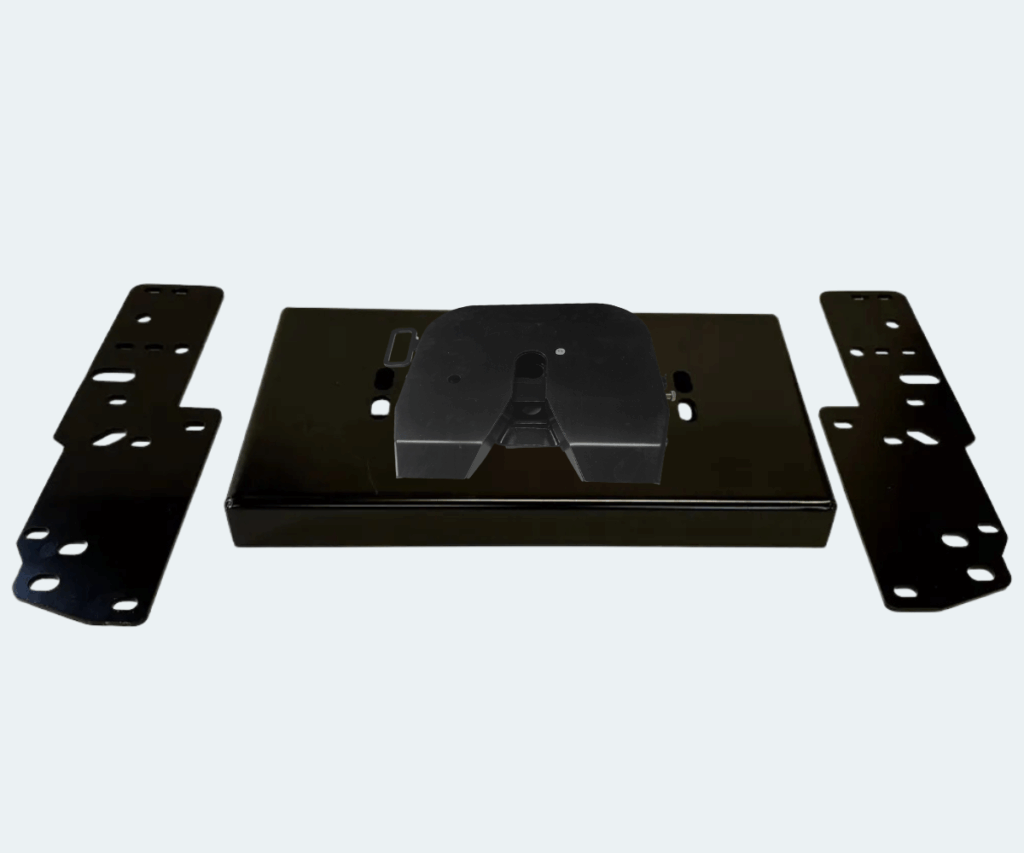
Bolt-on hitches are the most common aftermarket solution for standard pickup trucks. These kits use high-strength Grade 8 hardware to “sandwich” the truck frame with mounting brackets (often called “rails”). If you sell your truck, you can unbolt the hitch and potentially move it to a new vehicle (with a new vehicle-specific bracket kit). Most modern bolt-on kits use existing holes in the truck frame, meaning no drilling or welding is required. This preserves the factory finish and structural heat-treatment of the frame.
The main downfalls with this type of installation is that bolts can loosen over time due to road vibration and the “chucking” forces of a heavy trailer. They require periodic inspections and torque checks. Also, standard bolt-on kits usually require “base rails” that stay in your truck bed even when the hitch is removed, which can get in the way of hauling plywood or mulch.
OEM Puck Systems
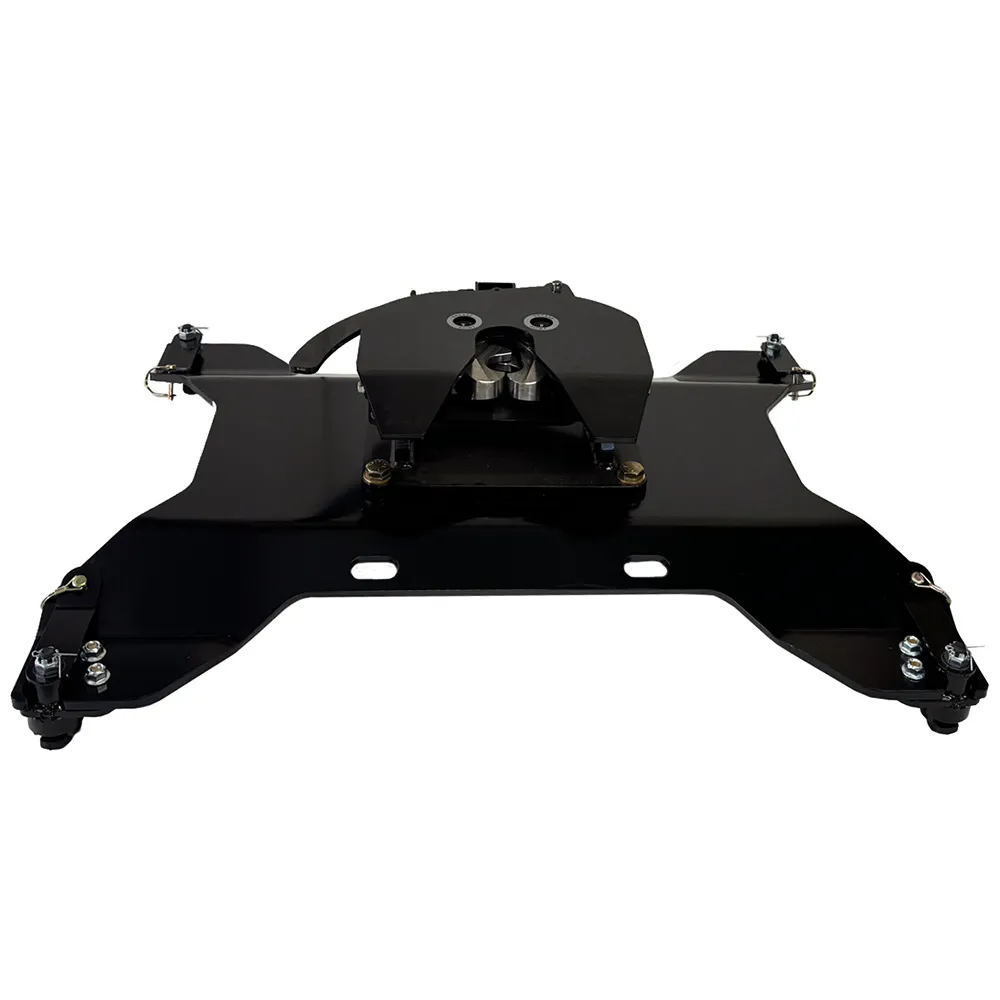
Most “Big Three” truck manufacturers (Ford, GM, and Ram) now offer a factory-installed 5th wheel prep package. These utilize a “puck” system integrated directly into the frame at the factory. When the hitch is removed, the bed floor is almost completely flat. There are no rails to trip over. This system is also easy to remove, you can install or remove a 5th wheel hitch in seconds using quarter-turn handles.
These systems are engineered by the vehicle manufacturer specifically for that truck’s towing capacity, meaning it’s not a one-size-fits-all situation. You must purchase a hitch specifically designed for your truck’s “puck” layout, or use a heavy adapter plate. Furthermore, if your truck didn’t come with this from the factory, it is very difficult and expensive to retrofit.
5th Wheel Hitch Attachment Method Comparison
| Feature | Weld-On | Bolt-On (Standard Rails) | OEM Puck System |
| Primary User | Professionals / Cab & Chassis | DIYers / Standard Pickups | New Truck Owners |
| Installation | Permanent (Welded) | Semi-Permanent (Bolted) | Modular (Drop-in) |
| Ease of Removal | Very Difficult | Moderate (Hitch out, rails stay) | Very Easy (Tool-free) |
| Bed Use | Usually dedicated to hauling | Rails remain in bed | Clean, flat bed |
| Maintenance | Low (Visual inspections) | Moderate (Torque checks) | Low (Clean/Lube pucks) |
| Frame Impact | High (Alters metallurgy) | Low (Uses factory holes) | None (Factory integrated) |
Which is right for you?
If you are a professional hauler with a dedicated flatbed or chassis-cab truck, a weld-on application offers the “set it and forget it” durability you need for 100,000+ miles of annual towing.
If you are a weekend warrior with a standard truck that doesn’t have a factory prep package, a bolt-on kit is your best bet. It provides a massive towing capacity without permanently altering your vehicle.
Finally, if you are buying a new truck, always opt for the OEM Puck System. The convenience of a clean bed and the ease of a 30-second hitch installation is well worth the initial investment.
Regardless of how you attach it, always ensure your installation is performed or inspected by a certified professional. Safety starts where the hitch meets the frame.
Recommended products
-
50K EZ Elite OEM Kit
Price range: $1,750.00 through $2,050.00 -
50K Single Pivot Bolt on Kit
$1,750.00 -
34K Double Pivot Bolt on 5th Wheel Kit
$1,650.00