

A guide to hot shot trucking in 2026 starts with understanding how the business really works, then learning the language of towing, then choosing the right equipment and finally figuring out where the paying loads actually come from. When all of those pieces fit together, you go from being someone with a truck and trailer to a small business owner with a plan.
Table of Contents
What Hot Shot Trucking Is in 2026
Hot shot trucking in 2026 is a flexible way to run your own trucking business using a pickup and trailer instead of a full-sized semi. You move time-sensitive freight for customers who cannot wait for a full truckload, so speed, responsiveness, and reliability matter just as much as your rate. Most hotshot truckers either operate under their own authority or lease onto a carrier, and they often focus on regional lanes where quick turnarounds are possible and home time is still realistic. To make this work, you need more than just a strong truck, you also need a clear plan for expenses, rates, and where your loads will come from week after week.
Getting Familiar With Towing Terms
Before you invest in a trailer or hook to your first load, it helps to get fluent in basic towing terms. Towing capacity is the maximum weight your truck is rated to pull, and pushing beyond that number can quickly become unsafe and expensive if you damage components. Gross trailer weight is the total weight of the trailer plus cargo once you are loaded, and understanding this helps you know whether a particular load is truly a good fit for your setup. Pin weight or tongue weight is the portion of the trailer weight that rests on the truck, and if that is too high or too low, the rig can handle poorly, so you want it in the recommended range for your vehicle. You will also see terms like gross combined weight rating, which covers truck, trailer, and cargo together, and this number is important for both safety and legal compliance. Spending time with your truck manual, door jamb stickers, and a few good towing diagrams turns this confusing alphabet soup into clear limits you can work with.
Once you understand the vocabulary, you can start applying it to real-world decisions. You will be able to look at a broker’s posted load weight and know whether your combination can handle it comfortably instead of guessing. When you plan routes through hills or mountains, you will have a better sense of how close you are willing to get to your limits and how that affects braking and acceleration. Over time, this knowledge gives you confidence backing, turning, and driving in traffic, because you know how the weight is distributed and what your rig can safely do.
Choosing the Right 5th Wheel Hitch
For many hot shot truckers, especially those hauling heavier partial loads or using trailers with a kingpin, the 5th wheel hitch is the heart of the setup. Choosing the right one starts with capacity, since your hitch must comfortably handle both the total trailer weight and the pin weight that rests on the truck. It is wise to look for a hitch that meets or slightly exceeds the loads you expect to carry regularly, while still remembering that your true limit will always be the weakest part of the system, whether that is the truck, frame, hitch, or trailer. Bed length also matters, because long bed trucks can often use a fixed hitch, while short bed trucks may need a sliding hitch to prevent the front of the trailer from contacting the cab in tight turns.
Comfort and durability are also important when you run commercially. Some 5th wheel hitches offer air ride or cushioning features, which can smooth out bumps and reduce shock to your truck, trailer, and cargo, and that can be a real benefit when you are on rough roads all week. Pay attention to how the hitch mounts to the truck, such as into factory puck systems or custom rails, and make sure installation is solid and professionally done. You want a hitch with a reputation for reliable locking jaws, clear coupling and uncoupling indicators, and replaceable wear parts so you are not constantly chasing breakdowns. Spending a bit more on a commercial-grade hitch up front often pays off through longer service life and fewer headaches on the road.
Finally, consider how a 5th wheel compares to other options you might use as a hot shot trucker. Gooseneck hitches are very popular in the hot shot world, especially for flatbed work, because they offer high capacities and good maneuverability with a slightly different feel than a traditional 5th wheel. Bumper pull setups are generally reserved for lighter loads and shorter trailers, and while they have their place, they are usually not the best choice for someone who wants to grow into heavier or more frequent commercial hauling. By comparing the weight ratings, cost, and handling characteristics of each style, you can pick the combination that fits your current budget and your future business goals.
Recommended products
-
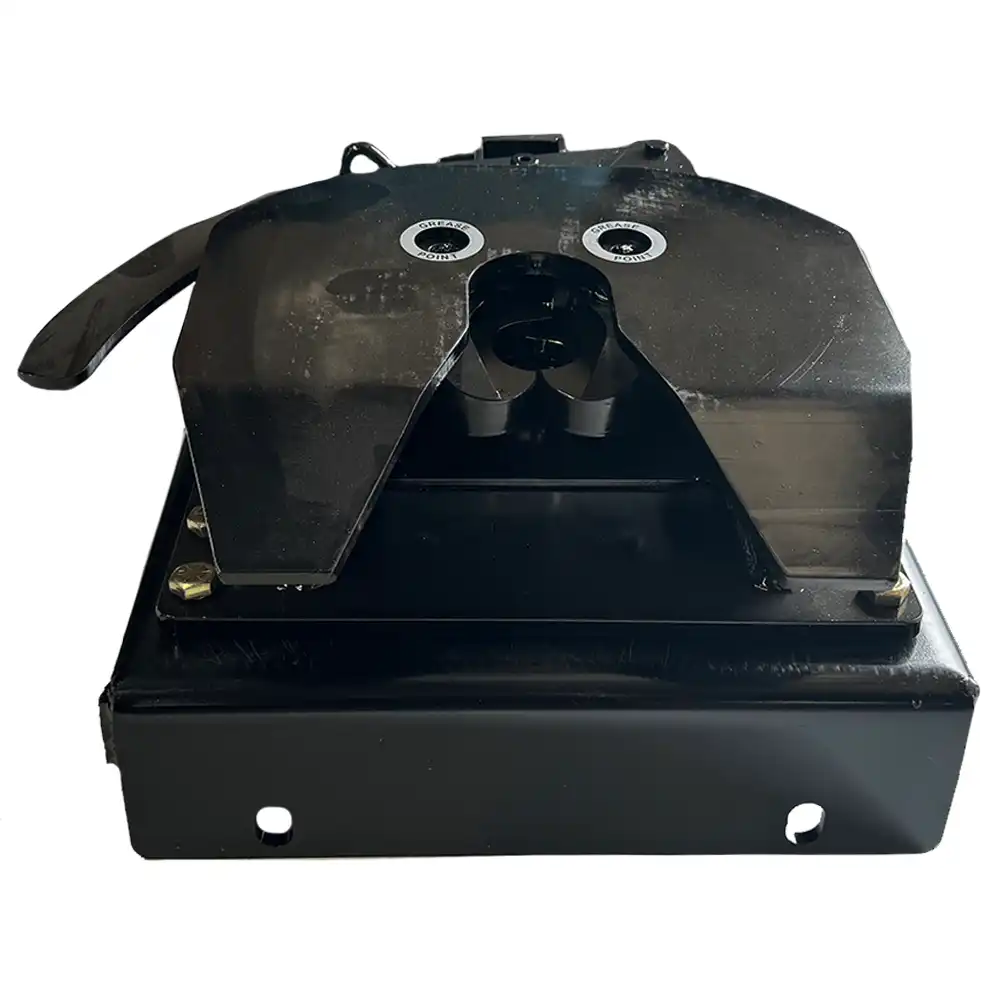
EZ Elite 5th Wheel Kit
$1,450.00 -
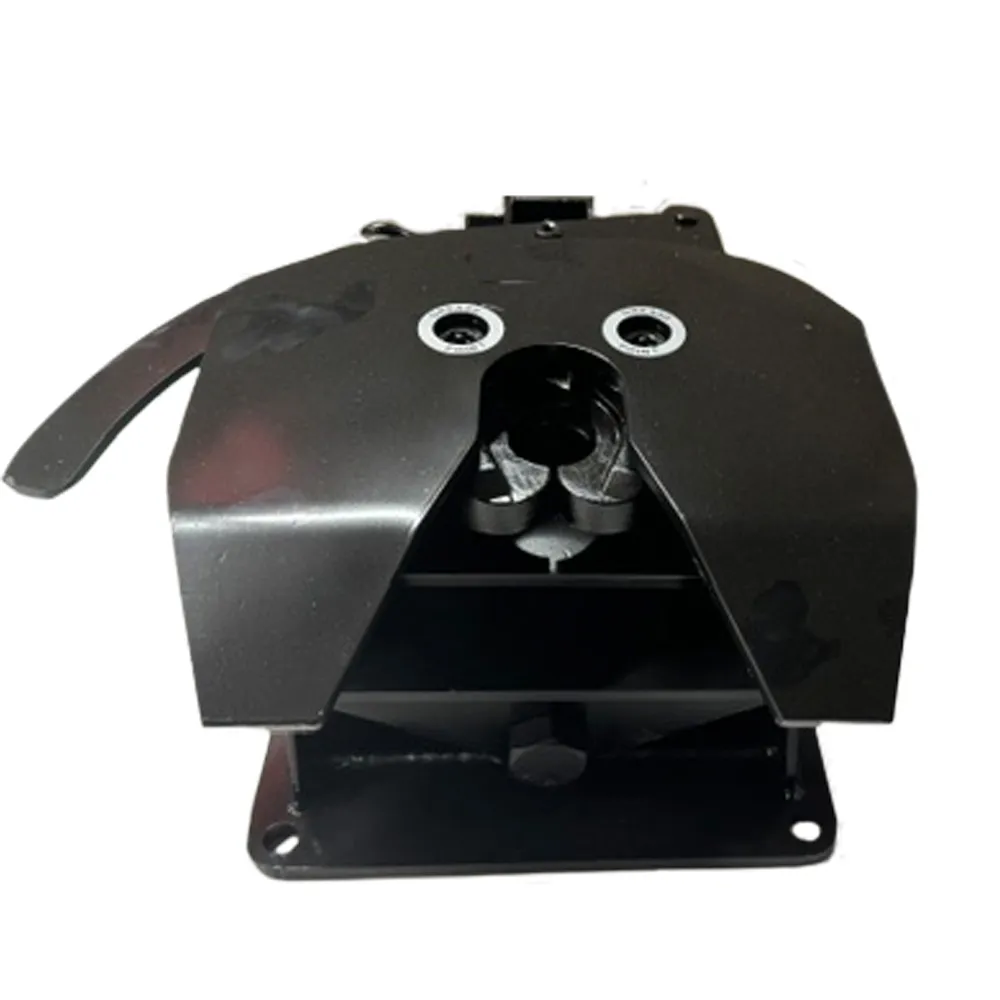
34K Double Pivot Bolt on 5th Wheel Kit
$1,650.00 -
34K Haulin’ Head Double Pivot Unit
$1,195.00
Licensing, Compliance, and Setup Basics
Once your equipment plan is clear, it is time to make sure you can operate legally and professionally. Many new hotshot truckers need a commercial driver’s license, depending on the weight of their combination and the type of freight they haul, so it is important to check the current rules for your state and typical loads. You will also need a valid medical card from a DOT physical, and staying on top of this helps avoid surprise issues during inspections or roadside checks. Setting up the business itself usually means choosing a structure such as an LLC, getting an employer identification number, and opening a separate business bank account to keep income and expenses clean.
In the world of freight, having the right authority and insurance is just as important as the truck and trailer. If you run under your own authority, you will need to obtain a USDOT number and, in many cases, an MC number, along with adequate liability and cargo coverage that matches the cargo you plan to haul. Even if you lease on to an existing carrier, they will expect you to maintain your equipment to a certain standard and follow their safety and paperwork processes. Planning your operation also includes deciding what type of freight you want to focus on, what regions you want to serve, and how you will price your services so that fuel, maintenance, insurance, and payments are all covered with room for profit.
Getting Your First Few Hauling Jobs
The first few loads as a hot shot trucker are often the hardest and the most important. Many new drivers start by using load boards that allow you to search specifically for partial or hot shot-friendly freight that matches your truck, trailer length, and weight limits. When you look at a posted load, it helps to think beyond the total pay and calculate the rate per mile, the fuel cost for the entire trip, and whether the destination area has enough outbound freight to avoid driving home empty. Being selective from the beginning, even when you are eager for work, teaches you to avoid loads that look good on paper but leave you stuck far from your preferred lanes.
Brokers can become a key part of your early business network. When you book a load with a broker, treat it as an audition for future work by communicating clearly, checking in before pickup and delivery, and arriving on time. Make sure the freight is properly secured, keep your equipment clean, and turn in paperwork promptly so the broker sees you as low stress and dependable. After a successful run, it is perfectly reasonable to ask whether they have regular freight in your lanes or if they can put you on an email list for future loads. Over time, this is how you move from chasing random loads to being one of the first calls for certain kinds of freight.
Local networking also plays a big role in getting those early jobs. Construction companies, fabrication shops, equipment rental yards, and farms often need last-minute deliveries that are too big for a van but too small or time-sensitive for a full semi. Visiting in person with a simple one-page rate sheet and business card can help those customers remember you when they are in a bind. Some new hot shot truckers choose to lease onto an established carrier at first, which can provide more consistent freight and help them learn the business side, then later they decide whether to get their own authority and step out on their own.
Putting It All Together
When you combine a solid understanding of towing terms, a well-chosen 5th wheel hitch or other hitch setup, proper licensing and business structure, and a thoughtful approach to finding early loads, hot shot trucking in 2026 becomes much more manageable. Instead of guessing at weights and chasing every posted load, you are making informed decisions about safety, profit, and long-term relationships. With a friendly, professional attitude and a willingness to keep learning, your first few jobs can quickly turn into a steady stream of work and a business you are proud to grow. Call us at (336) 859-3257 or fill out our contact form below for more information.
Contact Us
Let's make something special! Provide us with the vehicle information and a short description for what you're looking for. We'll contact you with some ideas to get started.
"*" indicates required fields